

As a golfer, I’ve learned that you can strike your 7-iron perfectly from the fairway, land on the green in regulation, and still lose the hole because you misread its slope. The course always has the final say.
Why formal letters alone stall community outreach
I see the same pattern in my work as a communications consultant in the development sector. Before entering a community for an intervention or campaign, many organizations focus on formal steps: official letters, meetings with officials, a completed checklist.
The checklist gets ticked. But in Indonesia, it often matters more to meet people in person first, introduced through someone they know, and let the official letter follow.
Without that personal contact, the letter can sit unanswered on a desk. Quiet resistance builds, and activity permits stay in limbo.
Permits grant approval, not trust
What goes wrong? Like golfers, organizations play for the scorecard and ignore the slope and the wind. A permit grants legal approval, but it does not earn genuine trust or local acceptance.
Consulting formal authorities, such as higher-ranking officials, is necessary. The problem is relying on them alone: the message may never reach the community itself, and residents can feel sidelined.
To build lasting goodwill, PR teams and organizational leaders need to look beyond official titles and find the unspoken authorities: the informal influencers who hold the community’s respect.
Communication is a relationship, not a broadcast
Communities rarely learn about a project from a poster. They hear about it from local opinion leaders they trust.
This echoes the work of James E. Grunig, Professor Emeritus of Communication at the University of Maryland, who defined public relations as “the management of communication between an organization and its publics” (Grunig & Hunt, 1984). His models of public relations hold that the most effective practice is two-way and symmetrical, built on dialogue and mutual understanding rather than one-way persuasion.
Who are the informal leaders in Indonesian communities?
During community outreach, organizations and communication consultants should work collaboratively with:
- Religious and community leaders (tokoh agama and tokoh masyarakat). Residents follow their guidance and look to them for leadership.
- Youth associations such as Karang Taruna. They can mobilize people quickly and in large numbers.
- Local influencers and bloggers. They spread information through channels the community already uses.
How to engage informal leaders: three practical steps
Prioritize genuine two-way conversations over completing a checklist:
- Go to the field first. Learn who residents actually listen to before formal outreach begins.
- Talk directly with local figures. Meet informal leaders one-on-one or in small groups, ideally through a trusted introduction.
- Listen before you pitch. Use these conversations to understand local priorities and show respect for the people most affected.
The result is real collaboration. People feel heard and see their needs reflected in the project, and outreach becomes more effective because the project matters to everyone involved.
Key takeaway: Secure the permit, but earn the trust. In Indonesia, informal leaders often decide whether a project is accepted.
Conclusion: learn the local greens
Experienced golfers don’t win by hitting the ball the farthest; they win by reading the green. Strategic communication works the same way. If we focus only on formal engagement, we miss the real situation on the ground and the chance to build genuine community relations.
In Indonesia, learn the “local greens” and respect the unspoken authorities. That is how long-term community trust is built.
Disclaimer: Portions of this article were assisted by online sources and AI tools, then reviewed by the author for clarity.
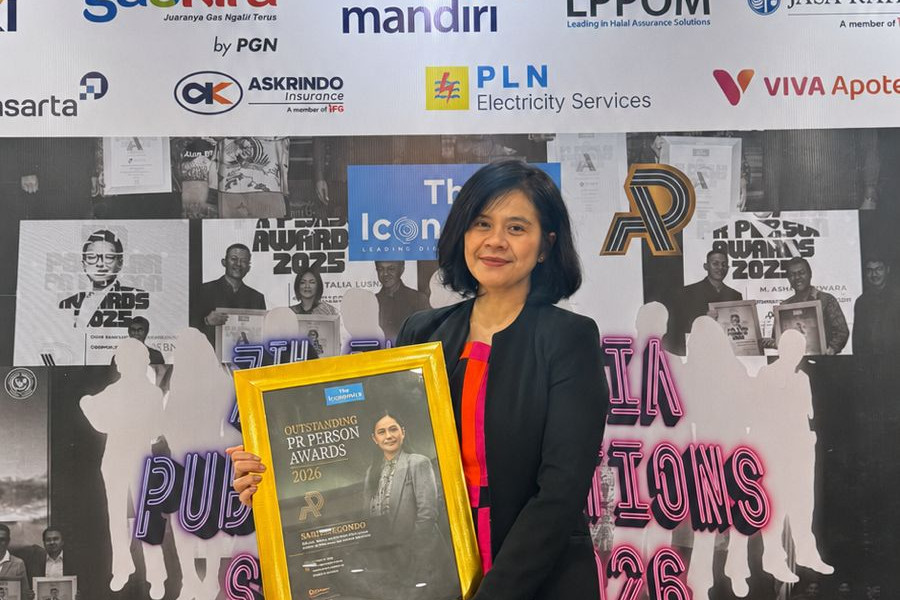
Author: Sally Piri, Senior Account Manager ID COMM